
What is it and how is it done?
Maxillofacial surgery treats the bones of the facial skeleton, namely the nose, cheekbones, eye sockets (orbits) and jaws, as well as the tissues around the mouth. Facial fractures, cleft lip and palate, loss of jaw bone after a tumour or accident, and deformities left by old fractures all fall within this field. Because the facial bones are directly linked to vision, breathing, chewing and speech, the aim is to protect these functions, not only appearance.
With facial fractures, the first step is to establish where the break is and how far the bones have shifted. Many non-displaced fractures can be monitored without surgery. A broken nose is often reset without any incision in the first days after the swelling has gone down. In cheekbone and jaw fractures, the bones are brought back into position and fixed with thin titanium plates and screws; incisions are made inside the mouth, just below the lower lashes or at the edge of the eyebrow wherever possible. In jaw fractures, the main goal is for the teeth to meet as they did before the injury.
In orbital floor fractures, the tissues around the eye can slip down into the sinus below; this can cause double vision, a sunken eye (enophthalmos) and numbness of the cheek. In orbital floor reconstruction, the floor is rebuilt with a graft of the patient's own bone or a suitable implant. A study on repairing orbital floor fractures with bone graft from the nasal septum, co-authored by Prof. Dr. İlker Yazıcı, was published in the Annals of Plastic Surgery in 2010. These operations are planned together with an ophthalmologist.
Cleft lip and palate needs to be followed by a team from birth. The plastic surgeon works with an orthodontist, ENT specialist, audiologist, speech and language therapist and paediatrician. The lip is usually repaired in the first months of life and the palate before speech develops. Additional procedures such as a bone graft to the cleft in the jawbone, nasal correction or speech surgery may be needed at later ages.
Planning is based on thin-slice computed tomography (CT). From the CT images, a three-dimensional model of the face and skull is built on the computer, so the extent of a fracture or defect can be examined from every angle. When part of the lower jaw has to be removed because of a tumour or bone death, the jaw is rebuilt by transferring the fibula bone from the leg together with its blood vessels (fibula flap); how the bone will be shaped can be planned in advance on these models, and dental implants may become possible later. Prof. Dr. İlker Yazıcı holds the Turkish Ministry of Health sub-specialty certificate in Face, Mouth and Jaw Surgery. At the practice in Nişantaşı, Istanbul, the CT images are reviewed together and the treatment options and risks explained.
What are the aims?
- To restore facial symmetry and bony support by bringing broken bones back into the correct position and fixing them.
- In eye socket fractures, to keep the eye in its proper position and to prevent or reduce double vision and a sunken eye.
- In jaw fractures and jaw reconstruction, to restore a correct bite, chewing and speech.
- In cleft lip and palate, to support a continuous lip, feeding and speech development.
- To place incisions in inconspicuous areas such as inside the mouth, along the lash line or in the scalp wherever possible.
Images
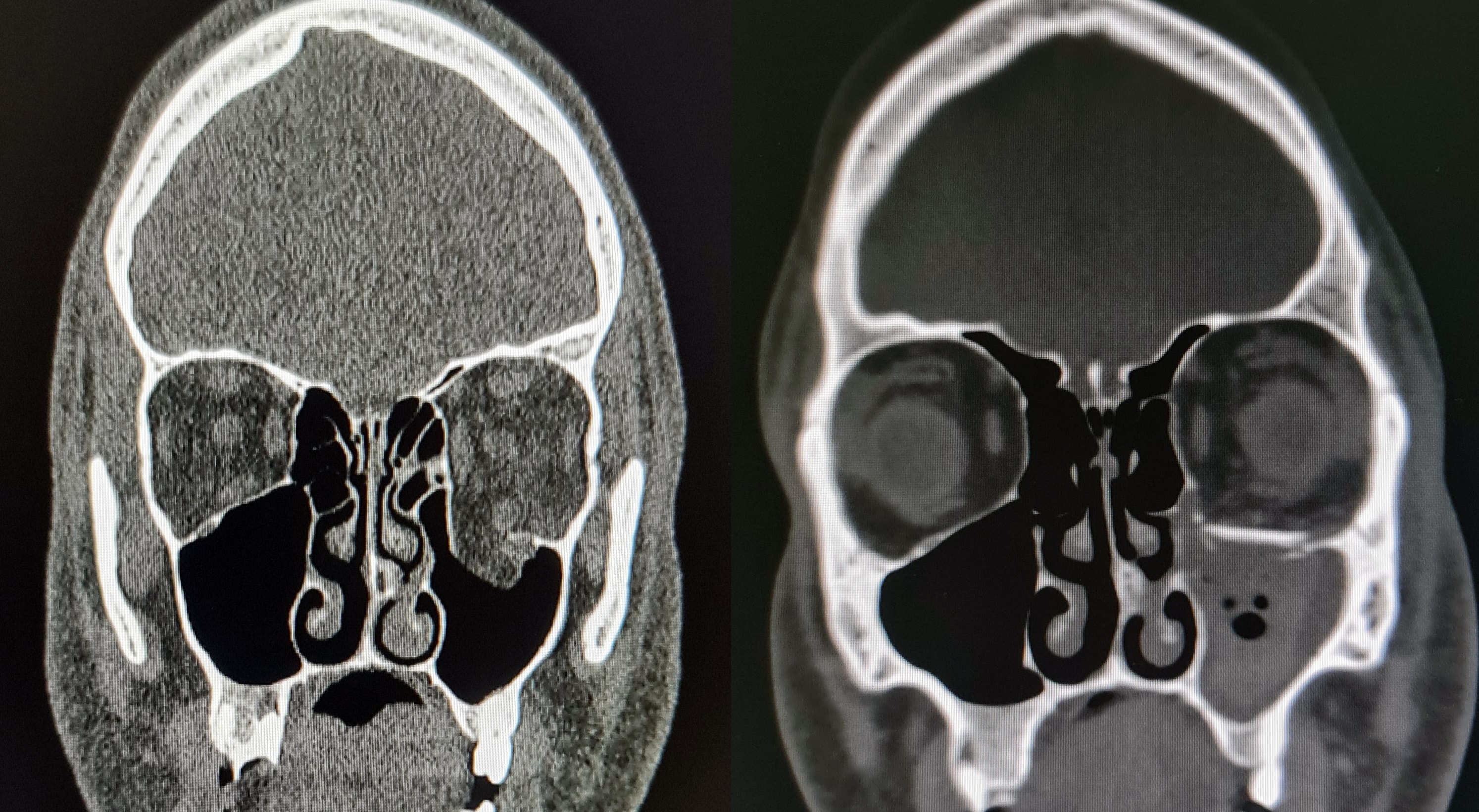
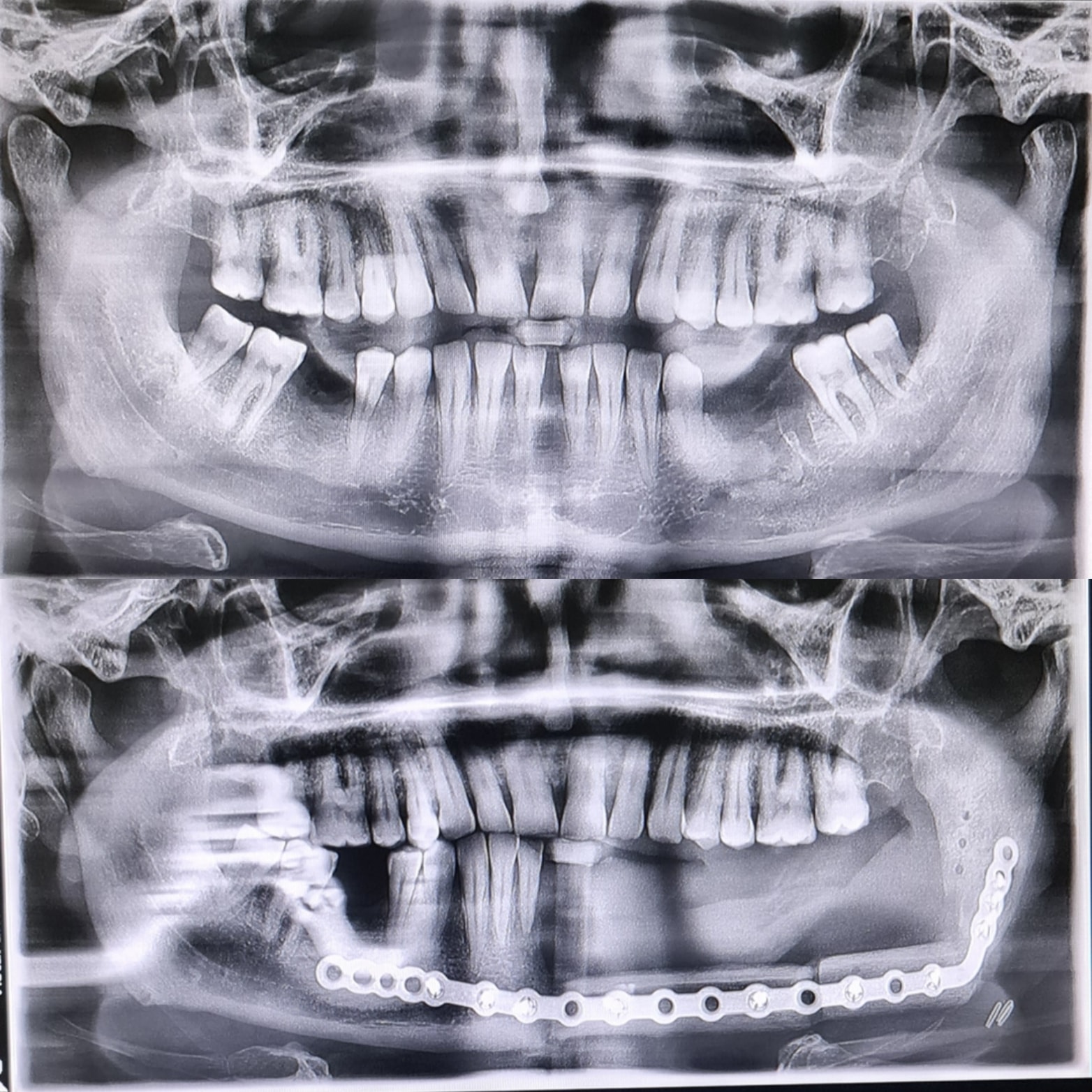
With any surgical or interventional procedure, results may vary from person to person. You are advised to obtain detailed advice from your doctor before the procedure.
Who is it suitable for?
- People with a fracture of the nose, cheekbone, eye socket or jaw after an accident, fall, sports injury or assault
- People who notice double vision, a sunken eye, numbness of the cheek or a change in how their teeth meet after a facial injury
- Babies born with cleft lip and/or palate, and children and adults who need further correction after earlier repairs
- Patients who have lost lower jaw bone because of a tumour, cyst or bone death (osteonecrosis), or for whom surgery is planned for these reasons
- People with asymmetry or functional problems caused by old facial fractures that healed in the wrong position
- People whose general health allows general anaesthesia
When is it postponed or not recommended?
- In life-threatening situations such as brain, chest or abdominal injuries, these are treated first; facial fracture repair is planned once the general condition has improved.
- If a fracture is not displaced and causes no loss of function, surgery is often unnecessary; monitoring may be enough.
- Planned surgery is not carried out until conditions that make general anaesthesia risky, such as uncontrolled diabetes or heart or lung disease, are under control.
- In jaw reconstruction, ongoing cancer treatment when the oncology team advises postponing the reconstruction
Alternatives
- Monitoring without surgery
- Many non-displaced fractures of the nose, cheekbone and eye socket can be managed with rest, cold compresses and follow-up examinations.
- Closed reduction of a broken nose
- In many nasal fractures the bones can be reset from the outside without any incision; this is usually done in the first days after the swelling has gone down.
- Fixing the teeth together for jaw fractures
- Some suitable jaw fractures can be treated without plates by fixing the upper and lower teeth together for a set period; during this time a liquid diet is needed.
- Palatal prosthesis (obturator)
- Where surgery on the palate or upper jaw is not suitable, a dental prosthesis that closes the opening may be an option.
The process step by step
- 1
First contact
You can send photos, CT images and reports by WhatsApp or e-mail, or call the practice. This information gives you a general idea of the options and helps plan the examination; the medical assessment and the decision take place at the examination in Nişantaşı. If vision is reduced, the eye cannot be moved or the mouth cannot be opened, go to an emergency department without delay.
- 2
Consultation and imaging
Prof. Dr. İlker Yazıcı examines you at the practice in Nişantaşı; if needed, a thin-slice CT scan is requested and a 3D model is created from the images.
- 3
Team planning
The plan is made with an ophthalmologist for eye socket fractures, with a dentist and orthodontist for jaw problems, and with the paediatric team for cleft lip and palate.
- 4
Surgery
The operation takes place in a partner hospital, usually under general anaesthesia. The bones are repaired with titanium plates and screws or with a graft.
- 5
Follow-up
Swelling control, oral hygiene, dietary advice and stitch removal are followed by further check-ups; a follow-up CT scan is taken if needed. In cleft lip and palate, follow-up continues into adulthood.
Recovery timeline
Days 1–3
Facial swelling and bruising are at their most visible. The head is kept raised and cold compresses are applied; after eye socket surgery, vision and eye movements are checked regularly.
Week 1
Skin stitches are usually removed on days 5–7, and stitches inside the mouth dissolve on their own. A soft diet is followed, and the recommended mouth rinses are used for oral hygiene.
Weeks 2–3
Most of the swelling and bruising subsides; most people return to desk work and social life. After an eye socket fracture, you are advised not to blow your nose during this period.
Weeks 4–8
Bone healing progresses. After jaw fractures, the move to harder foods is made under the surgeon's supervision; sport is resumed gradually and contact sports later.
Months 3–6
The remaining subtle facial swelling resolves and the result can be judged more clearly. After jaw reconstruction, further stages such as dental implants can be planned from this point.
Long term
In cleft lip and palate, speech, dental development and facial structure are monitored regularly as the child grows; some corrections are made at later ages.
Risks and possible complications
Every surgical procedure carries risks. Your personal risk is assessed in detail at the consultation.
- Bleeding, swelling, bruising and infection; if infection develops around a plate or screw, it may need to be removed
- Temporary or permanent loss of sensation in the cheek, upper lip, gums or lower lip
- After eye socket surgery, double vision, a sunken eye or a change in the shape of the lower eyelid; very rarely, but seriously, loss of vision
- Bones healing in the wrong position or not healing, or a disturbed bite; further surgery may be needed
- Temporary or permanent weakness of facial expression if branches of the facial nerve are affected by external incisions
- Facial asymmetry, or the expected appearance not being fully achieved
- In cleft palate repair, a remaining opening in the palate (fistula) and nasal-sounding speech; further surgery or speech therapy may be needed
- In jaw reconstruction with the fibula, impaired circulation of the flap and difficulty walking for a while
- General risks of anaesthesia
What determines the cost?
The fee for maxillofacial surgery depends on the type and number of fractures or defects, the length of the operation, the plates, screws, grafts or implants used, the need for 3D planning, the length of the hospital stay and, if needed, time in intensive care. Operations that involve microsurgery, such as jaw reconstruction with the fibula, are very different in scope from a simple fracture repair.
After the consultation and a review of the CT scans, you receive a written, itemised quote that states what is included. Insurance coverage for medically necessary operations, such as treatment after an injury, cleft lip and palate repair or reconstruction after a tumour, depends on the patient's insurer and the terms of the policy; each case is checked separately, and no promise about coverage is made before approval.
If you are coming to Istanbul
If you are travelling from abroad, plan to stay in Istanbul for about 7–10 days after facial fracture surgery, or 2–3 weeks including the hospital stay after jaw reconstruction with the fibula. The practice is authorised by the Turkish Ministry of Health for international health tourism (certificate no. ST-2365); help with accommodation near the clinic and airport transfer can be arranged through authorised partners. Later check-ups usually take place at 1, 3 and 6 months; back home, you stay in touch with the practice by sending photos and messages, and if something needs to be examined, a check-up in Istanbul or a visit to a local doctor is arranged. For cleft lip and palate, a long-term follow-up schedule is drawn up together with the family.
Frequently asked questions
Does a facial fracture always need surgery, and when should it be done?
Not every facial fracture needs surgery. If the bones have not shifted and there is no double vision, change in the bite or obvious change in shape, monitoring may be enough. If surgery is needed, it is usually done within the first 1–2 weeks, once the swelling has started to settle, because after that the bones can begin to heal in the wrong position. If vision is reduced, the eye cannot be moved or the mouth cannot be opened, go to an emergency department without delay.
How is an eye socket (orbital) fracture repaired?
Surgery for an orbital floor fracture is recommended if double vision persists, if an eye muscle is trapped in the fracture line or if the fracture is large enough to make the eye sink in. The incision is usually made on the inner surface of the lower eyelid or just below the lashes. The displaced tissue is returned to the eye socket, and the floor is rebuilt with the patient's own bone, for example a graft from the nasal septum, or with a suitable implant.
At what age is cleft lip and palate surgery done?
Cleft lip repair is usually done when the baby is 3–6 months old, and cleft palate repair before speech develops, often between 9 and 18 months. The timing is set individually according to the baby's weight, general health and the team's assessment. A bone graft to the cleft in the jawbone is usually placed before the permanent canine teeth come through. Nose and lip refinements and jaw surgery are often planned once growth is complete.
Is facial and jaw surgery painful, and when can I go back to work?
Pain and a feeling of tightness are common for the first few days after facial and jaw surgery; this is usually well controlled with painkillers taken regularly. Swelling and bruising largely subside within 2–3 weeks, and most people return to desk work in that time. After jaw fractures, a soft diet is needed for several weeks. Contact sports have to wait until bone healing is complete.
Will there be scars on my face, and are the plates removed?
In facial fracture surgery, incisions are placed inside the mouth, just below the lower lashes, at the edge of the eyebrow or in the scalp wherever possible, so the scars are often inconspicuous, although every incision leaves a scar. An existing wound on the face can sometimes be used for access. Titanium plates and screws usually stay in place for life; if infection, a plate that can be felt or discomfort occurs, they can be removed in a second, minor operation.
When is the result of facial fracture surgery final, and does it last?
After facial fracture surgery, bone healing is largely complete in 6–8 weeks, but the remaining subtle facial swelling can take 3–6 months to resolve fully. For this reason the result is usually judged more clearly after the sixth month. Bones that have healed in the correct position stay that way. In cleft lip and palate, the face changes as the child grows, so follow-up continues into adulthood and some corrections may be needed at later ages.
Can rhinoplasty be done at the same time as a fracture repair?
After a fresh facial injury, the priority is to repair the fractures safely and protect function. The bones of a recently broken nose can be reset; a full cosmetic rhinoplasty, however, is usually planned once bone healing is complete, generally at least 6 months later. In selected cases, minor refinements can be made during the same operation; this decision is made after the examination and a review of the CT scan.
What determines the cost of maxillofacial surgery, and does insurance cover it?
The fee for maxillofacial surgery depends on the type of fracture or defect, the length of the operation, the plates, screws, grafts or implants used, the need for 3D planning and the length of the hospital stay. After the consultation you receive a written, itemised quote. Insurance coverage for medically necessary operations, such as treatment after an injury or cleft lip and palate repair, depends on the patient's insurer and the terms of the policy, and is checked separately in every case.
Do smoking and my medications affect healing?
Smoking slows bone healing and the healing of wounds inside the mouth, and increases the risk of infection; you are advised not to smoke before surgery or during recovery. Blood thinners and some herbal supplements can increase bleeding; do not stop them on your own, but adjust them together with the prescribing doctor. Some medications used for osteoporosis and previous radiotherapy to the head and neck can affect healing of the jawbone, so always mention them at the consultation.
I am travelling from abroad. How long should I stay in Istanbul?
After facial fracture surgery, plan to stay in Istanbul for about 7–10 days; the first check-ups and stitch removal take place during this time. Jaw reconstruction with the fibula needs 2–3 weeks, including the hospital stay. Later check-ups usually follow at 1, 3 and 6 months; in between, you stay in touch with the practice by sending photos and messages. For cleft lip and palate, a long-term follow-up schedule is drawn up together with the family.
Last updated: · Responsible for content: Prof. Dr. İlker Yazıcı