
What is it and how is it done?
Reconstructive surgery is the branch of plastic surgery that repairs tissue lost or damaged in a road or workplace accident, during cancer surgery, through a burn or because of a congenital difference. Function comes first: closing an open wound, protecting underlying bone, tendons and blood vessels, and restoring the grip of a hand, chewing or eyelid closure. Appearance matters too, because a defect on the face, hand or breast directly affects daily life and how people feel about themselves.
When a repair is planned, simpler methods that can achieve the result are considered first. Small defects are closed directly with stitches. A skin graft is a thin layer of skin taken from elsewhere on the body; having no blood supply of its own, it is nourished by the wound bed. A flap is tissue moved together with its own circulation, either rotated in from a neighbouring area or brought from a distant site by microsurgery. In microsurgery the tissue is raised with its blood vessels, only a few millimetres wide, and under an operating microscope these are sewn to an artery and a vein at the new site. In this way a breast can be rebuilt from abdominal tissue, a lower jaw from the fibula bone of the leg (vascularised fibula flap) and a lost thumb from the second toe (toe-to-thumb transfer).
Microsurgery is also used for lymphoedema, a lasting swelling of the arm or leg caused by lymph fluid collecting in the tissues. Lymphoedema can be congenital, but it often develops after treatment for breast or gynaecological cancer. In lymphaticovenous anastomosis (LVA), fine lymphatic channels that still work are located through small incisions and connected under the microscope to nearby small veins, with the aim of opening a new drainage route for the fluid. Hand surgery repairs tendon, nerve and blood vessel injuries, finger loss and contractures after burns; in the head and face, the ear, forehead and jaw are reconstructed.
Extensive repairs often need several specialties to plan together: oncology, general surgery and ear, nose and throat (ENT) teams for cancer patients, orthopaedics and physiotherapy for hand injuries, and lymphoedema therapists for lymphoedema. At this stage it is also decided whether the reconstruction takes place in the same operation as the cancer surgery or later.
From 2004 to 2005 Prof. Dr. İlker Yazıcı was a research fellow in the Microsurgery Laboratory of the Department of Plastic Surgery at Cleveland Clinic in the USA, and in 2012 a EURAPS Scholar in Helsinki. He holds the Turkish Ministry of Health sub-specialty certificates in Hand Surgery and in Face, Mouth and Jaw Surgery, and has published peer-reviewed work on microsurgery, a training model for lymphaticovenous anastomosis and toe-to-thumb transfer. At the consultation in his practice in Nişantaşı, Istanbul, the cause of the defect, previous treatments, imaging results and expectations are discussed, and the options, stages and risks are explained clearly.
What are the aims?
- To cover open wounds and tissue defects so that underlying structures such as bone, tendon, blood vessels and nerves are protected.
- To restore lost functions such as gripping, chewing, speaking or closing the eyelid as far as possible.
- To bring in tissue similar to what is missing, so that the area blends with the surrounding tissue and matches the other side of the body.
- To release movement restricted by contractures from burns and scars.
- To reduce swelling, the feeling of heaviness and the tendency to recurrent infections in lymphoedema.
- To keep scarring and loss of function at the site where tissue is taken (the donor site) as limited as possible.
Images
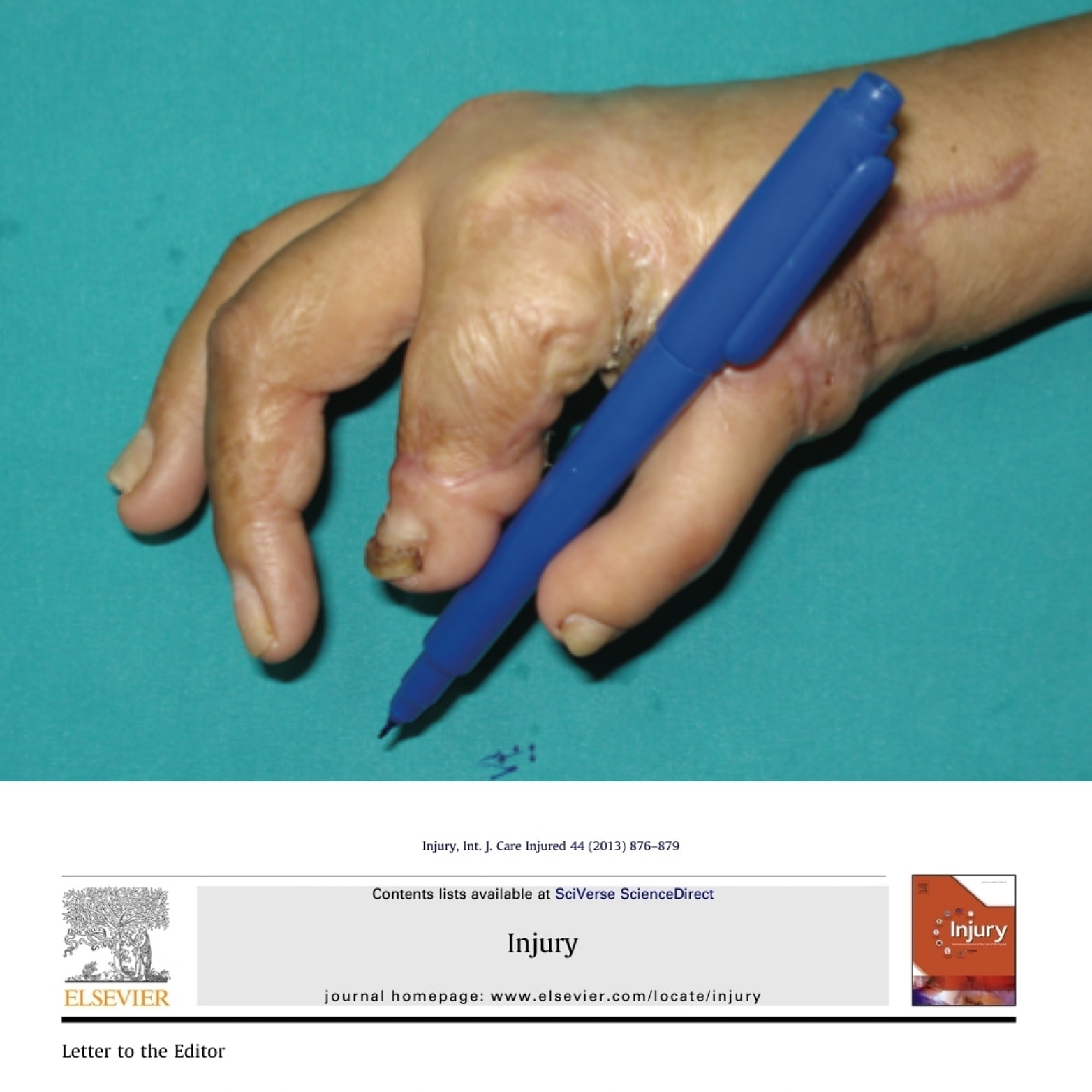
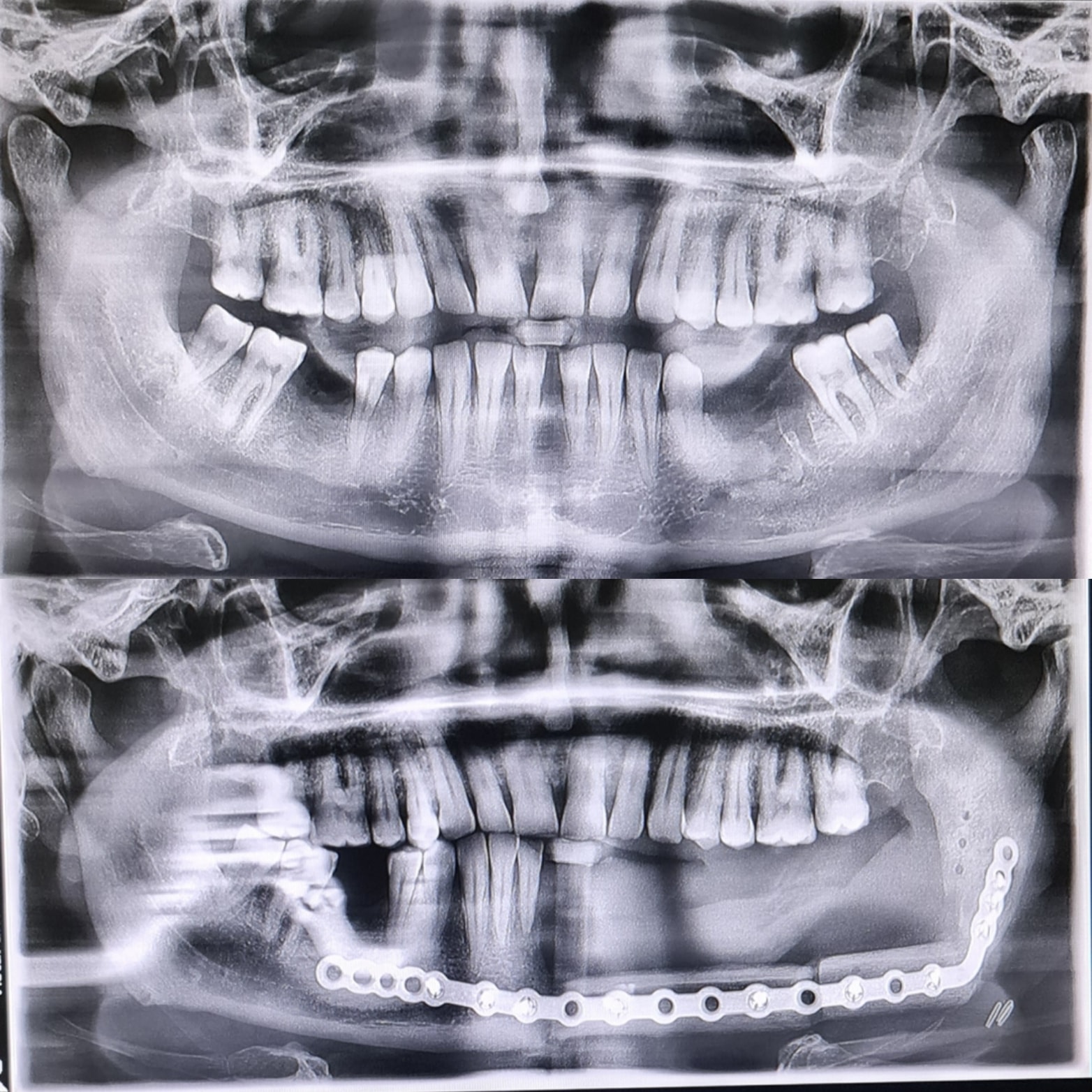
With any surgical or interventional procedure, results may vary from person to person. You are advised to obtain detailed advice from your doctor before the procedure.
Who is it suitable for?
- People who have lost tissue or function after a road accident, workplace accident or burn
- Patients for whom reconstruction is planned together with, or after, surgery for skin cancer, breast cancer or a head and neck tumour
- People with tendon, nerve or blood vessel injuries of the hand, or loss of a finger or thumb
- Lymphoedema patients whose arm or leg swelling persists despite compression and physiotherapy
- Children and adults with congenital differences of the ear, face or hand
- People whose general health allows anaesthesia and, if needed, a long operation
- People who are ready to stop smoking and to follow aftercare instructions and check-ups
When is it postponed or not recommended?
- Ongoing cancer treatment, when the oncology team advises postponing reconstruction
- Uncontrolled diabetes, heart or lung disease, or other conditions that make a long anaesthetic risky
- An untreated active infection in the area to be repaired
- Microsurgical tissue transfer in patients who cannot stop smoking, because smoking impairs the blood supply to the transferred tissue
- Arm or leg swelling caused by something other than lymphoedema, such as heart, kidney or venous disease
Alternatives
- Wound dressings and vacuum therapy
- Some wounds can heal, or be prepared for surgery, with suitable dressings or negative pressure wound therapy; for deep and extensive defects this alone is often not enough.
- Complex decongestive therapy for lymphoedema
- This treatment, made up of lymphatic drainage, bandaging and compression garments, is the first step; surgery is usually added to it rather than replacing it.
- Prosthesis (epithesis)
- In areas such as the ear, an artificial part that is glued on or anchored with implants can be considered instead of surgery; it needs regular care and replacement at intervals.
- Simpler repair methods
- When direct closure, a skin graft or a local flap is enough, these are preferred; microsurgery is planned for situations where simpler methods are not sufficient.
The process step by step
- 1
First contact
You can send photos of the area, previous surgical and pathology reports and imaging results by WhatsApp or e-mail, or call the practice. This information gives you a general idea of the options and helps plan the examination; the medical assessment and the decision take place at the examination in Nişantaşı.
- 2
Consultation and imaging
Prof. Dr. İlker Yazıcı examines you at the practice in Nişantaşı; if needed, CT, MRI, vascular imaging or, for lymphoedema, imaging of the lymphatic system is requested.
- 3
Joint planning and preparation
Where needed, the plan is made with oncology, orthopaedic or ENT teams; blood tests, the anaesthetic assessment, medication adjustments and insurance pre-approval are completed.
- 4
Surgery
The operation is performed in a partner hospital. After microsurgery, the circulation of the flap is checked at frequent intervals during the first days.
- 5
Follow-up and rehabilitation
After wound care and stitch removal, hand therapy, compression or physiotherapy continues; scar maturation is monitored and second-stage refinements are planned if needed.
Recovery timeline
Days 1–5
After microsurgery, the colour, temperature and circulation of the flap are checked regularly in hospital. Pain is controlled with medication and the operated area is kept elevated.
Weeks 1–2
Stitches are removed within 7–14 days, depending on the area. Grafts and flaps settle in; after smaller repairs most people return to their daily activities.
Weeks 3–6
Wounds have largely healed. Hand therapy continues after hand surgery and compression after lymphoedema surgery. After microsurgery, a return to desk work usually falls between weeks 4 and 8.
Weeks 6–12
In repairs that involve bone, bone healing progresses. Heavy physical activity and sport are resumed gradually, once the surgeon approves.
Months 3–6
Swelling decreases noticeably. The effect of lymphoedema surgery is assessed over several months; after nerve repair, sensation and movement return slowly.
Months 6–12 and beyond
Scars mature and fade. If needed, further stages such as flap thinning, scar revision or dental implants after jaw reconstruction are planned.
Risks and possible complications
Every surgical procedure carries risks. Your personal risk is assessed in detail at the consultation.
- A blood clot at the microsurgical connection, leading to partial or complete loss of the flap; the flap is monitored closely in the first days and an urgent re-operation is carried out if needed
- Bleeding and a collection of blood at the surgical site (haematoma)
- Infection, separation of the wound edges and delayed healing
- Partial or complete failure of a skin graft to take
- Scarring, numbness or swelling at the donor site; difficulty walking for a while after the fibula has been taken from the leg
- Altered sensation due to nerve damage; joint stiffness and tendon adhesions after hand surgery
- Thick (hypertrophic) or keloid scars, or differences in colour and texture of the repaired tissue
- Blood clots in the leg (deep vein thrombosis) or lungs (pulmonary embolism) related to long operations, and the general risks of anaesthesia
- The expected function or appearance not being fully achieved, and the need for further surgery
What determines the cost?
The fee for reconstructive surgery varies widely with the type and extent of the repair. The main factors are whether microsurgery is needed, how long the operation takes, the length of the hospital stay and any time in intensive care, the plates, screws or other materials used, imaging before surgery, pathology tests, the need for physiotherapy and how many stages the reconstruction will take. After the consultation and any necessary tests, you receive a written, itemised quote that states what is included.
Whether health insurance covers reconstructive surgery depends on the medical reason for the operation, the patient's insurer and the terms of the policy. Coverage is therefore checked individually for each patient; the necessary medical reports can be prepared and pre-approval requested from the insurer. No definite statement about coverage can be made before approval has been given.
If you are coming to Istanbul
If you are travelling from abroad, plan to stay in Istanbul for about 5–7 days after a minor repair, or usually 2–3 weeks including the hospital stay after microsurgery; the first check-ups and stitch removal take place during this time. The practice is authorised by the Turkish Ministry of Health for international health tourism (certificate no. ST-2365); help with accommodation near the clinic and airport transfer can be arranged through authorised partners. Later check-ups usually take place at 1, 3 and 6 months; back home, you stay in touch with the practice by sending photos and messages, and if something needs to be examined, a check-up in Istanbul or a visit to a local doctor is arranged.
Frequently asked questions
What is microsurgery and when is it needed?
Microsurgery is the joining of blood vessels, nerves and lymphatic channels only a few millimetres in diameter under an operating microscope. Tissue is taken from one part of the body together with its own blood vessels, moved to another area, and its vessels are connected to vessels at the new site. Breast reconstruction, lower jaw reconstruction with a fibula flap, toe-to-thumb transfer, closure of large wounds and lymphoedema surgery are the main situations in which microsurgery is used.
Who is lymphoedema surgery for, and does it make the swelling go away completely?
Lymphaticovenous anastomosis is considered for patients whose swelling persists despite compression and physiotherapy and whose imaging still shows working lymphatic channels. It is better suited to the earlier stages of lymphoedema. The aim of the operation is to reduce swelling, the feeling of heaviness and episodes of infection; it is not expected to eliminate lymphoedema completely. The effect becomes apparent over several months, and most patients continue compression therapy to some extent.
Is reconstructive surgery painful?
Pain after reconstructive surgery depends on the size and location of the repair. After smaller repairs it is usually mild and controlled with simple painkillers. After microsurgery, pain in the first days is managed in hospital with medication given at regular intervals. The site where tissue was taken, for example the leg after the fibula has been removed, can be more uncomfortable for a while than the area that was reconstructed.
When can I go back to work after reconstructive surgery?
After smaller repairs such as a skin graft or a local flap, most people return to desk work within 1–2 weeks. After operations involving microsurgery, this usually takes 4–8 weeks. After hand surgery, the timing depends on how much the hand is used at work; after jaw reconstruction, on how eating and speaking recover. Heavy physical work and sport should wait until the surgeon gives approval.
Will there be scars after reconstructive surgery?
Every surgical incision leaves a scar; in reconstructive surgery, scars form both in the repaired area and where the tissue was taken. Incisions are placed in natural creases, along the hairline or in areas covered by clothing wherever possible. Scars may be pink and noticeable for the first months and usually fade within 12–18 months. For people prone to thick or keloid scars, silicone treatment and, if needed, scar revision surgery can be planned.
Is the result of reconstruction permanent, and when is it final?
Repairs using the patient's own tissue usually stay in place for many years once healing is complete, and they age with the body; factors such as weight change can alter the appearance. The result of reconstructive surgery generally becomes clear within 6–12 months. Some repairs are completed in one operation, while large defects may need a second, sometimes a third, stage such as flap thinning or scar revision.
Can reconstruction be done at the same time as cancer surgery?
In many cases reconstruction can be carried out in the same operation as the cancer surgery; this is called immediate reconstruction and can spare the patient a second operation. In some patients reconstruction is postponed, because radiotherapy, chemotherapy or the pathology result has to be awaited. This decision is made together with the oncology team, always keeping in mind that cancer treatment comes first.
Does insurance cover reconstructive surgery?
Whether reconstructive surgery is covered by insurance depends on the medical reason for the operation, the patient's insurer and the terms of the policy. Each patient's situation is therefore checked individually and, if needed, pre-approval is requested from the insurer together with the medical reports. No promise about coverage can be made before approval. The fee itself depends on the type and length of the repair, the hospital stay and the materials used.
Do smoking and my medications affect the operation?
Smoking and nicotine products narrow the blood vessels and increase the risk of flap loss, delayed wound healing and infection. You will be asked to stop smoking at least 4 weeks before reconstructive surgery, especially microsurgery, and not to smoke during recovery. Blood thinners, some rheumatology medications and herbal supplements can change the risk of bleeding; do not stop any medication on your own, but adjust it together with the doctor who prescribed it.
I am travelling from abroad. How long should I stay in Istanbul?
For a minor reconstructive repair, plan to stay in Istanbul for about 5–7 days after surgery; for microsurgery, usually 2–3 weeks including the hospital stay. During this time stitches are removed and the first check-ups take place. Later check-ups usually follow at 1, 3 and 6 months, and in between you stay in touch with the practice by sending photos and messages; after hand or lymphoedema surgery, therapy can continue in your home country.
Last updated: · Responsible for content: Prof. Dr. İlker Yazıcı